March 16, 2026
How to Have a Sustainable Easter (Without Losing the Fun)
Easter is one of those special times that brings people together. Family lunches, kids’ activities, weekend getaways, and a little bit of chocolate along the way. But it can also come with a lot of extra “stuff”: one-off decorations, disposable party supplies, and packaging that fills bins fast.

The good news? A sustainable Easter doesn’t have to be complicated (or expensive). With a few simple swaps, you can keep the fun, reduce waste, and make choices that are kinder to the planet.
Here are practical ideas you can pick and choose from. Whether you’re hosting at home, planning an egg hunt, or heading away for a camping trip.
1) Start with the “use what you already have” rule
If there’s one habit that makes the biggest difference, it’s this: use what you already own first.
Before buying anything new for Easter, take five minutes to check what you’ve already got:
- Plates and serving platters
- Tablecloths and napkins
- Baskets, jars, and containers
- Toys, books, and games for visiting kids
- Camping gear (if you’re going away)
Often the most sustainable option is the one that’s already in your cupboard.
2) Hosting family and friends? Borrow, reuse… or go second-hand
Big Easter lunches and extra visitors are where people often end up buying “just for one weekend” items — extra cutlery, more glasses, another set of chairs.
Instead, try:
- Borrowing from family or neighbours (especially chairs, trestle tables, serving platters)
- Choosing reusables over disposable plates, cups and cutlery
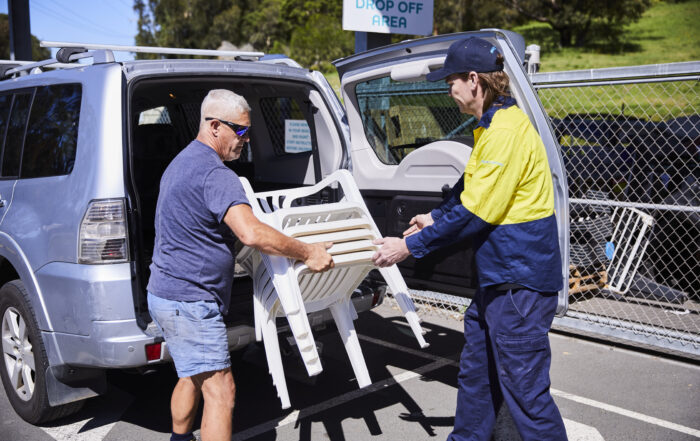
- Picking up what you need second-hand from a second hand shop like Reviva, then donating it back later if you won’t use it again
Easy hosting finds you can often get second-hand
If you’re missing the basics for a crowd, look for:
- Extra plates, glasses and cutlery
- Serving bowls, platters and trays
- Cake stands, mugs, jugs and picnic ware
- High chairs, booster seats, kids’ plates and cups
- Extra chairs, stools, side tables
- Out door furniture
- A BBQ
Tip: Create a simple “Easter Hosting Kit” so you’re ready next year too.
3) Sustainable Easter décor: go natural, reusable, and creative
Easter decorations don’t need to be plastic or single-use. Some of the best décor is:
- Reusable (keeps coming out each year)
- Second-hand (already made, already loved)
- Natural (and compostable where appropriate)
Try:
- Cane baskets or woven trays (perfect for egg hunts, table centrepieces, or gift baskets)
- Fabric tablecloths and cloth napkins instead of paper
- Jars and vases for autumn branches or simple florals
- DIY décor using what you already have (ribbons, paper, repurposed materials)
If you do buy decorations, aim for things that you’ll use again, or shop second-hand first.
4) Easter egg hunts without the waste (still fun!)
Classic egg hunts can create a lot of waste — especially when they rely on plastic eggs and individually wrapped fillers.
If you want a lower-waste version:
- Use reusable eggs (wooden/fabric) or re-purpose small containers
- Hide activity clues instead of plastic trinkets (e.g., “next clue by the tree”)
- Choose fewer, bigger treats with less packaging
- Use a reusable basket or bag for collecting (instead of a disposable bucket)
And if you’re doing chocolate (because it’s Easter!), remember, packaging adds up quickly. We recommend choosing options with less packaging and making sure materials go in the right bins. Don’t forget to scrunch easter egg foils together and pop in your recycling bin.
5) Planning a weekend away?
Easter is also a popular time for camping and holidays and it’s easy to end up buying new gear for a one-off trip.
Before you buy anything new, check what you can source second-hand:
- Tents, tarps and shade shelters
- Camping chairs and fold-out tables
- Eskies, drink dispensers, thermoses
- Pots, pans, cutlery and camp cooking gear
- Kids’ outdoor toys and games
- Storage tubs and organisers
Second-hand gear is often sturdier than you’d expect, and you’re keeping good-quality items in use for longer.
6) Food planning: less waste, more ease
A sustainable Easter can also be a less stressful Easter.
A few quick wins:
- Plan portions (especially for big family lunches)
- Make a “use-it-up” leftovers plan (lunch the next day, freezer portions)
- Compost food scraps where you can (or use your FOGO service if available)
7) The simplest sustainable swap: shop second-hand first
Thrifting, visiting an Op Shop, Tip Shop, Dump Shop or Reviva Reuse Shop can be a fun day out with the family over the holidays. Whether you’re entertaining, decorating, or heading away, one of the easiest sustainable actions is simply this:
Before buying new, check second-hand.
When you shop second-hand you’re:
- Extending the life of quality items
- Reducing demand for new production
- Keeping valuable materials out of landfill
- Supporting local social impact through reuse initiatives (where applicable)
Ready to make Easter lighter on the planet?
Choose one or two ideas from this list and start there. Sustainability isn’t about perfection, it’s about practical steps that add up.
Explore your local Reviva Reuse Shop (or find your closest location):